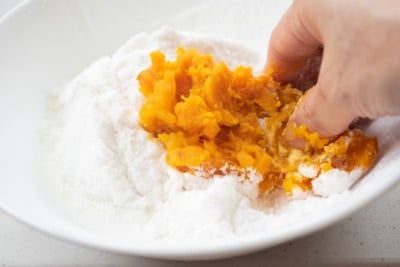
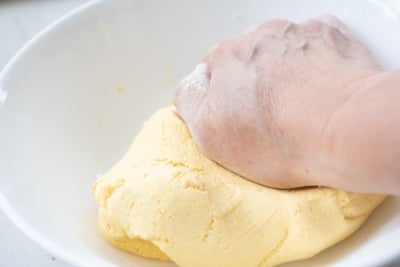
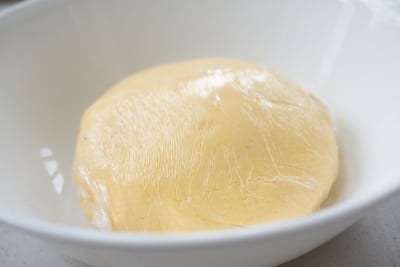
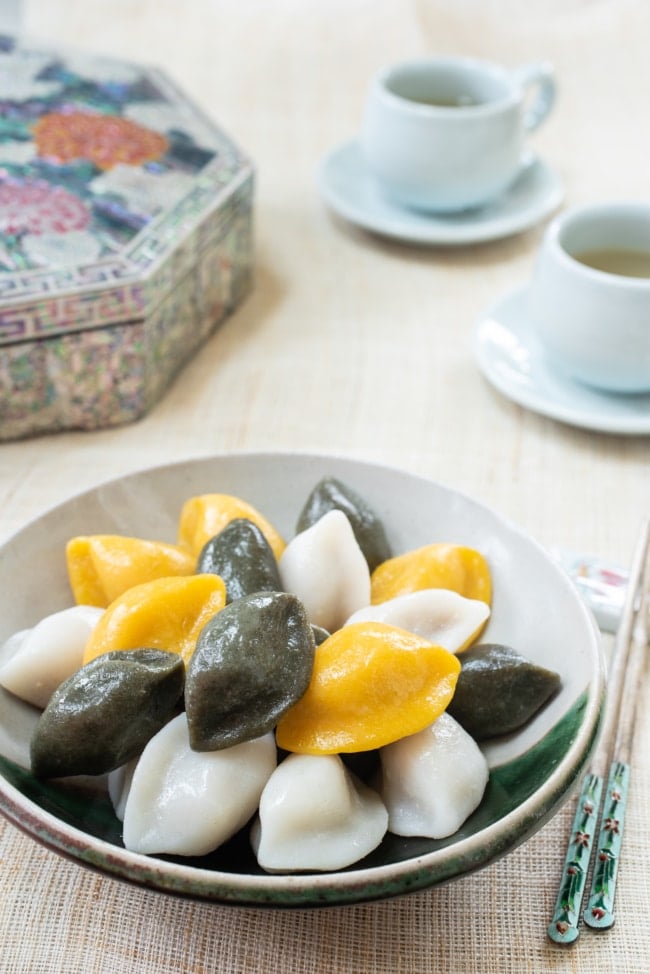
Songpyeon is made with short grain rice flour (쌀가루), NOT glutinous rice (sweet rice) flour (찹쌀가루). Traditionally, Korean home cooks soak short grain rice overnight, drain, and then take to a gristmill to get it ground into fine powder. While that’s clearly not an option around here, there are bags of frozen wet rice powder for making rice cake (tteok, 떡) sold in the freezer section of Korean grocery stores.
You can try making rice flour at home by soaking short grain rice over night, drain for hours, and then use a powerful blender, coffee grinder, or food processor to finely ground. The rice flour/batter may still come out a bit grainy, not as soft.
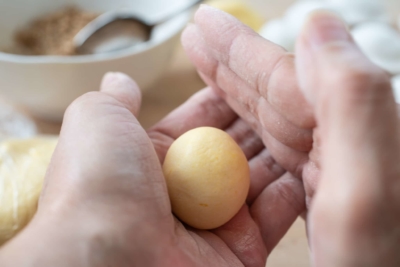
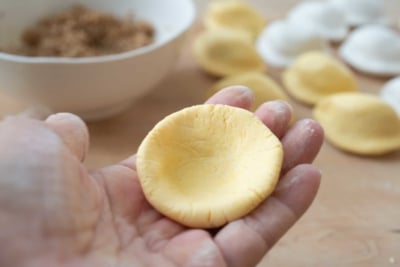
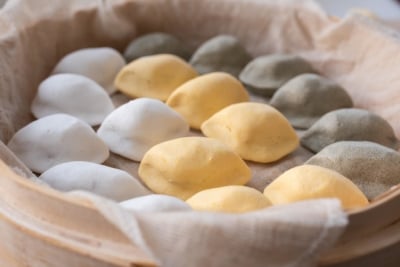
Songpyeon dough is typically flavored and colored with natural ingredients such as mugwort, kabocha, and dried fruit powders. This recipe shows how to use mugwort powder and fresh kabocha, I also played around with different natural food coloring and came up with a couple of other colors. You can choose any number of options I’ve given here, or use your own food coloring options. Also see my Beet songpyeon recipe for vibrant red color.
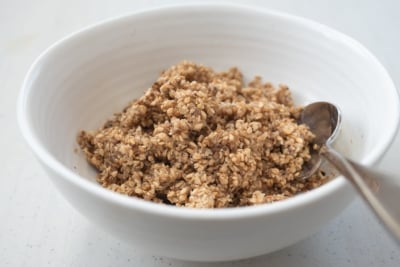
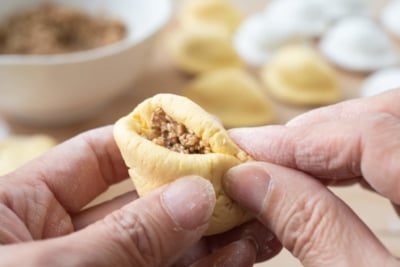
The most common filling is made with sweetened sesame seeds. Black soybeans and mung beans are also traditional. This recipe shows how to make it with sesame seeds.
I felt that this site did well in introducing an uncommon food item in one section, but kept the actual recipe portion short, practical, and readable. The check boxes each step made for a good way to keep track of the multi-step process.
I felt that this site displayed all relevant information needed by the user to make an informed decision as well as the information they needed during the cooking process in a compact format that took advantage of horizontal space. The toggle check marks also were a plus that would help users when shopping or accounting for ingredients. The video was also informational and visually showed the process without the need of a single image every step which can be space consuming and less helpful than a video.
I felt that this site does well what the above sites do well. It includes a check list of both steps and ingredients in a simple, no frills, easy to read format. On top of being just a checklist, it has the ability to add all the needed ingredients into a virtual shopping cart to order from home. It has video instructions and a rating system (which food network also had) which helps the user in both making the food and seeing if they'd want to make the food in the first place. What I found most interesting was the nutritional information that you can toggle to show a detailed nutrition chart as well as the ability to change the serving size and have the recipe adjust.
I feel that this site is both modern and striking in aesthetic but also informative without being overwhelming. The progression is animated and clear and reveals minor requirements in bite sized pieces in chronological order so that students with questions about the minor aren't overwhelmed by a wall of requirements and classes. The banner nav is simple but effective and the drop down text menus keep everything clean until the user wants more info. The direct integration into the webstac course listings for the required courses also allows the user to quickly add courses.
This site is simple and no frills in its appearance. The images along with short paragraphs and unordered lists helps compartmentalize longer tasks into approachable steps. It also lists what you need to know before you start before and the locked banners inform you about which method you are looking at.
I felt that this site is a cleaner but longer version of wikihow. It differs in that it uses more images to show an almost step by step process with minimal words in between to help clarify the changes. Ultimately, this site feels less dense and easier to follow than wikihow just by having less words and more space between those fewer words.